
Bilingual Childcare for Children Aged 3 to 6 in Stuttgart
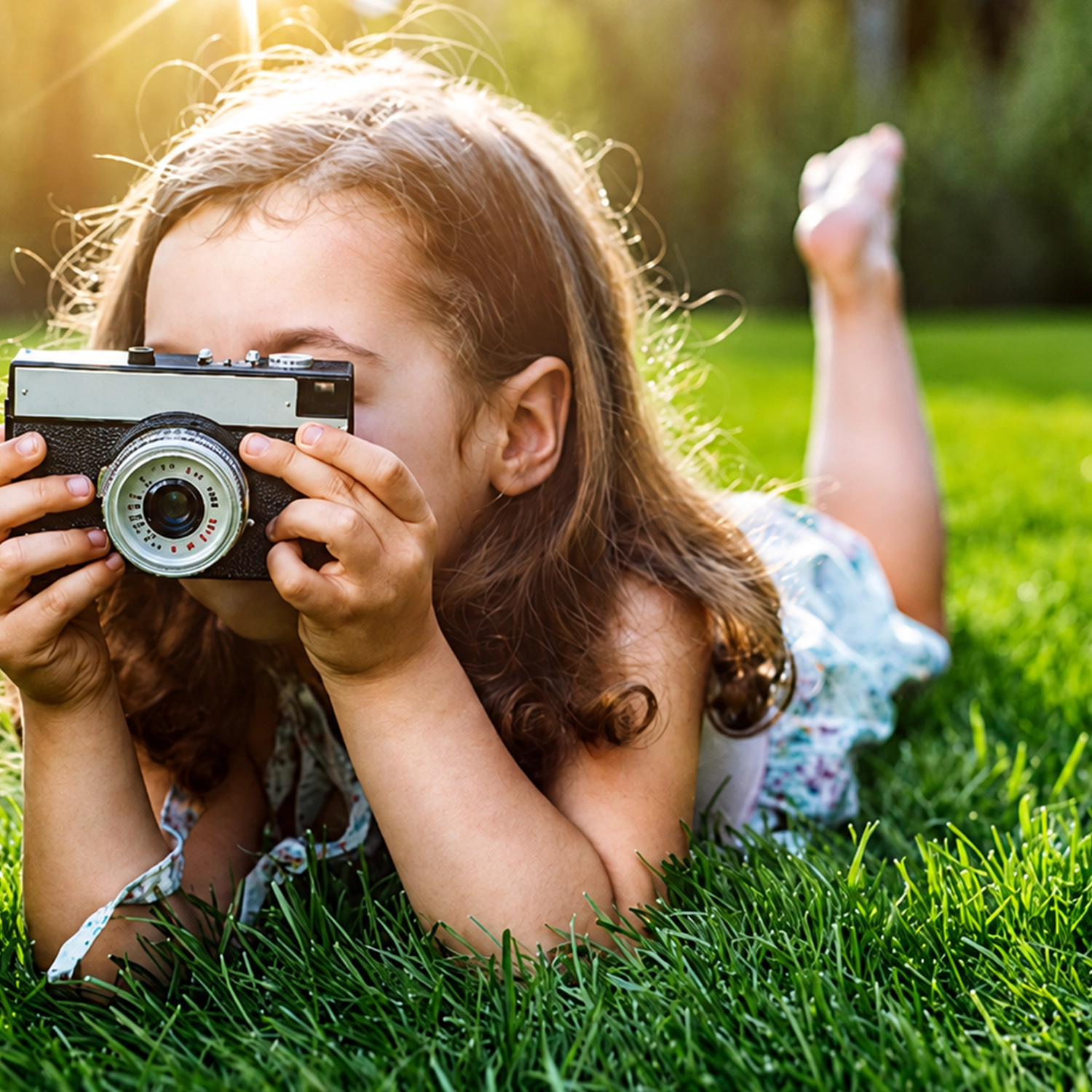
Between the ages of three and six, children develop their language, social and personal skills at an impressive pace. They ask new questions every day, form friendships, discover their own interests and gradually learn to take responsibility for themselves and others. At our bilingual kindergarten in Stuttgart, we support children attentively, warmly and professionally throughout this important stage of their lives.
At STUGGIKIDS, children of kindergarten age are cared for in two groups, each with 20 children. Our daily educational routine combines security and reliable structures with a wide range of opportunities to play, explore, move and express creativity. German and English are not taught as separate school subjects. Instead, both languages are a natural part of the children’s day and are used in conversations, games, songs, books, projects and everyday situations.
Our aim is not to expect every child to learn at the same pace or demonstrate specific language abilities. Each child is given the opportunity to develop in accordance with their personality, interests and individual stage of development. Our qualified educators create an environment in which children feel safe, can try new things and gradually develop confidence in their own abilities.
Two Kindergarten Groups for Children Aged Three to Six
Our kindergarten consists of two groups, each with 20 children between the ages of three and six. This manageable group structure allows children to build stable relationships and experience themselves as part of a familiar community. At the same time, it offers many opportunities to play with different children, develop shared ideas and gain valuable social experience.
In their daily interactions, children learn to express their own needs, listen to others and respect different opinions. They take on small responsibilities, make decisions and discover that their actions have an impact on the group. Our educators observe these processes carefully and help children find increasingly independent solutions.
The mixed-age structure of the groups provides additional learning opportunities. Younger children observe the older children and receive new impulses from their behaviour and abilities. Older children can take responsibility, show consideration and share what they have already learned. This creates valuable relationships from which both younger and older children benefit.
Although the children live and learn together as a group, their individual needs remain important. Their stage of development, personality, language background and current interests are taken into consideration when planning and organising the day. This creates a kindergarten routine that strengthens the community while still leaving room for individual development.
German and English as Natural Everyday Languages
At our bilingual kindergarten in Stuttgart, children experience German and English every day in authentic situations. Our language concept is based on the immersion method. Certain members of staff consistently speak English with the children, while other educators communicate with them in German. This enables children to associate each language reliably with particular people and situations.
Children do not need translations or traditional vocabulary lessons to understand the meaning of new words. They discover meaning through context, gestures, facial expressions, actions, repetition and familiar daily routines. When the group tidies up, eats, creates something or plays together, the children can directly connect the language they hear with what is happening around them.
English is therefore not limited to individual activities or specific times of the day. Like German, it is integrated into the entire kindergarten routine. Greetings, conversations, songs, fingerplays, picture books, movement activities and creative projects continuously provide natural opportunities to encounter and use language. Children hear both languages regularly and can absorb them at their own pace without pressure.
Some children begin using individual English words or short phrases relatively quickly. Others listen attentively for a longer period and demonstrate their understanding through their actions and reactions. Both paths are entirely natural. Our educators respond positively to the children’s attempts to communicate, repeat words in appropriate contexts and encourage their enjoyment of language.
Language Development Without Pressure
Language development in kindergarten does not take place only during planned educational activities. It accompanies almost every situation throughout the day. At breakfast, children talk about food and share their experiences. During the morning circle, they tell stories, listen to one another and explore the current group topic. When conducting an experiment, they express their ideas and predictions. During conflicts, they learn to describe their feelings and needs.
Our educators understand their important role as language models. They communicate clearly, attentively and in an age-appropriate way, ask open-ended questions and give children enough time to express their own thoughts. Books, stories, rhymes, songs, fingerplays and conversations help expand the children’s vocabulary in both languages.
Children who speak another language at home or initially understand very little German or English are welcomed into the community with care and sensitivity. Non-verbal communication, recurring routines and reliable relationships provide security and orientation. The international composition of our families and team makes multilingualism a natural part of everyday life at STUGGIKIDS.
For us, success does not mean that every child uses both languages at exactly the same level. Our aim is to awaken an interest in language, strengthen confidence in communication and enable children to have positive experiences with both German and English.
Independence in Everyday Kindergarten Life
Between the ages of three and six, children increasingly want to manage tasks on their own. They want to get dressed, select their own materials, set the table or turn their ideas for games into reality. In our kindergarten, they are given the time, suitable surroundings and trust they need to do so.
Child-friendly furniture and accessible materials allow children to make many everyday decisions independently. They can choose toys and creative materials, locate their personal belongings and participate in age-appropriate tasks. Our educators provide only as much support as each child needs.
However, encouraging independence does not mean leaving children alone with challenges. We remain reliable companions and offer assistance when a task cannot yet be completed without support. Mistakes and alternative approaches are part of the learning process. Children who are allowed to try things for themselves experience their own effectiveness and develop the courage to approach unfamiliar situations.
These experiences are valuable not only during the kindergarten years. They also provide an important foundation for starting school and for many other areas of life.
Social and Emotional Development in a Diverse Community
A bilingual kindergarten is not only a place for language development. Children spend a large part of their day with others and gain fundamental social experience. They form friendships, share materials, plan games together and discover that people do not always have the same wishes or opinions.
Conflicts and strong emotions are a natural part of this development. Our educators view these situations as valuable learning opportunities. They support children in recognising and naming their emotions, understanding different perspectives and developing appropriate solutions.
Rather than simply resolving every disagreement for the children, we help them find their own words, communicate personal boundaries and reach agreements according to their age and the situation. Step by step, they develop empathy, consideration, frustration tolerance and the ability to manage conflicts constructively.
The international STUGGIKIDS community also gives children many opportunities to encounter different languages, cultures, traditions and ways of life. Diversity is not merely discussed on special occasions; it is experienced every day. Children learn that people can be different and still play, learn and take responsibility for one another as a community.
Movement, Creativity and Shared Discovery
Children learn through their whole bodies and all their senses. Movement, music, creative activities and independent exploration are therefore firmly integrated into our educational routine.
In our dedicated movement room, the group rooms and the outdoor areas, children can climb, balance, dance, run and try out different forms of movement. Certified sports sessions based on the Stuttgart Movement Pass and other active group activities support motor development and help children develop a positive awareness of their bodies.
Creative activities give children opportunities to express their own ideas. The aim is not to produce a perfect final result. Instead, the focus is on experimenting with colours, shapes, materials and techniques and enjoying the process of creation. Role play also helps children process their experiences, adopt different perspectives and develop their imagination.
Children often discover scientific, mathematical and technical concepts almost incidentally. They sort objects, compare sizes and quantities, observe changes in nature or investigate a question that has captured their interest. Our educators respond to this curiosity and support the children as they research, experiment and search for explanations.
Time Outdoors Every Day and Regular Outings in Stuttgart
Movement and experiences in the fresh air are an established part of our daily routine. Our kindergarten children have their own spacious garden with a variety of equipment and materials. They can also use the adjacent Bürgerpark.
Whenever possible, the children spend time outside in all kinds of weather. They move freely, observe nature, invent games together and gain important sensory experiences. Outdoor activities also provide a valuable balance to quieter activities inside the kindergarten.
One day each week is planned as an outing day. The groups usually leave the kindergarten after breakfast to explore Stuttgart and its surroundings. Possible destinations include parks, forests, museums, the city library, Wilhelma Zoo, local markets and cultural institutions.
These outings add variety to everyday life and expand the children’s range of experiences. They learn how to navigate public spaces, assess traffic situations and follow rules outside the kindergarten. At the same time, they discover their city, meet new people and receive inspiration for subsequent projects within the group.
All outings are planned in an age-appropriate way and take the children’s interests and developmental needs into consideration. Shared experiences outside the kindergarten encourage curiosity, independence, orientation and social skills.
Balanced Meals and Eating Together
During a long day at kindergarten, children need balanced meals, sufficient drinks and calm breaks. At STUGGIKIDS, they receive a varied breakfast, a warm lunch and healthy snacks.
Breakfast and snacks are freshly prepared every day in our own kitchen. Lunch is partly supplemented with components from Menü-Manufaktur Hofmann, whose meals are certified according to the quality standards of the German Nutrition Society. Water and unsweetened drinks are available to the children at all times. Religious and health-related dietary requirements are also taken into account.
Shared meals are an important educational part of the day. The children experience table culture, participate in conversations and take on age-appropriate responsibilities. They learn to serve themselves, recognise their own needs and show consideration for others. A calm and respectful atmosphere supports them throughout this process.
Preparing food can also become part of our educational work. The children may help shop for ingredients or prepare food in our educational kitchen. This combines nutrition, independence, language and practical everyday experience in a meaningful way.
Carefully Structured Preparation for School
Preparation for school does not begin only a few months before enrolment. Independence, concentration, responsibility, language confidence and the ability to deal constructively with challenges develop throughout the kindergarten years.
We therefore create many everyday situations in which children can make decisions, complete tasks, understand rules and develop solutions together. These abilities are at least as important for a successful start at school as early experiences with numbers and letters.
During their final kindergarten year, the pre-school children also participate in an age-appropriate school preparation programme once a week. Its main areas include language, writing, graphomotor skills and early mathematical understanding. The children explore letters, first words, quantities, numbers, shapes and spatial thinking. Activities that promote concentration and perseverance, together with the continued development of social skills, complement the programme.
The sessions are designed to be playful and practical. Different materials, activity sheets, conversations and our interactive projector provide varied ways to learn. Tasks are adapted to the children’s individual stages of development. Parts of the programme take place in German and English so that the children can continue engaging with both languages during their pre-school activities.
We also cooperate with Pragschule primary school. During the final kindergarten year, a teacher from Pragschule visits the children twice at our premises. The pre-school children also visit the school and gain their first impressions of everyday school life. These experiences create familiarity and make the transition to primary school easier, regardless of which school each child will later attend.
Working in Partnership With Families
A trusting relationship with parents is an essential part of our educational work. Families and kindergarten educators experience the child in different situations. Through open communication, they can work together to support the child’s positive development.
We hold a detailed development meeting at least once a year. During this meeting, parents and educators discuss the child’s interests, strengths, current development and potential areas in which further support may be helpful. Development is also continuously documented in an individual portfolio. Photographs, projects and important learning experiences make progress visible and create a valuable record of the kindergarten years.
Short conversations during drop-off and collection provide opportunities for direct communication in everyday life. We also use the KigaRoo parent app to provide information about weekly schedules, meal plans, appointments, events and current news. Weekly photographs give families protected insights into our educational work and the children’s experiences.
Parents’ evenings, family afternoons and shared celebrations provide additional opportunities to meet, exchange ideas and strengthen the STUGGIKIDS community.
Centrally Located Bilingual Childcare in Stuttgart
Our childcare centre is located at Tunzhofer Straße 9, 70191 Stuttgart. The location is central yet quiet and can be reached easily by public transport. We are open from Monday to Friday between 7:30 a.m. and 6:00 p.m. With only 22 closing days per year, we also provide families with a reliable basis for combining family responsibilities with professional life.
Parents who would first like a broader overview of our childcare centre, nursery groups and kindergarten can find further information on our main page about our bilingual kindergarten in Stuttgart.
With two languages, diverse educational opportunities and a committed international team, we provide a place where children between the ages of three and six can play, explore and develop as individuals. Our bilingual childcare in Stuttgart combines language development with security, movement, creativity and respectful interaction. In this way, we accompany each child attentively along their individual path until they are ready to make the transition to school.